Smithsonian Guide Device (SiGuide)
The Smithsonian Institution, 2005 · Case study by Will Dzierson
Tags: Mobile Design, Prototyping, UX
My contribution
I served as the lead designer and developer for the SiGuide user interface, creating a Flash-based application optimized for PocketPC devices running Windows CE. My responsibilities spanned interaction design, visual design, and front-end implementation, including navigation models, tour and artifact views, and the interactive 3D tour-path visualizations. I also collaborated closely with museum stakeholders to translate curatorial goals into clear, accessible UI patterns suitable for first-time technology users.
The work
SiGuide is a location-aware, handheld museum guide created for several of the museums at the Smithsonian. It combines audio, video, and rich media to support self-guided exploration of the collection. It runs on a PocketPC-style device and was designed to feel intuitive for first-time technology users while still offering depth and control for more experienced visitors.
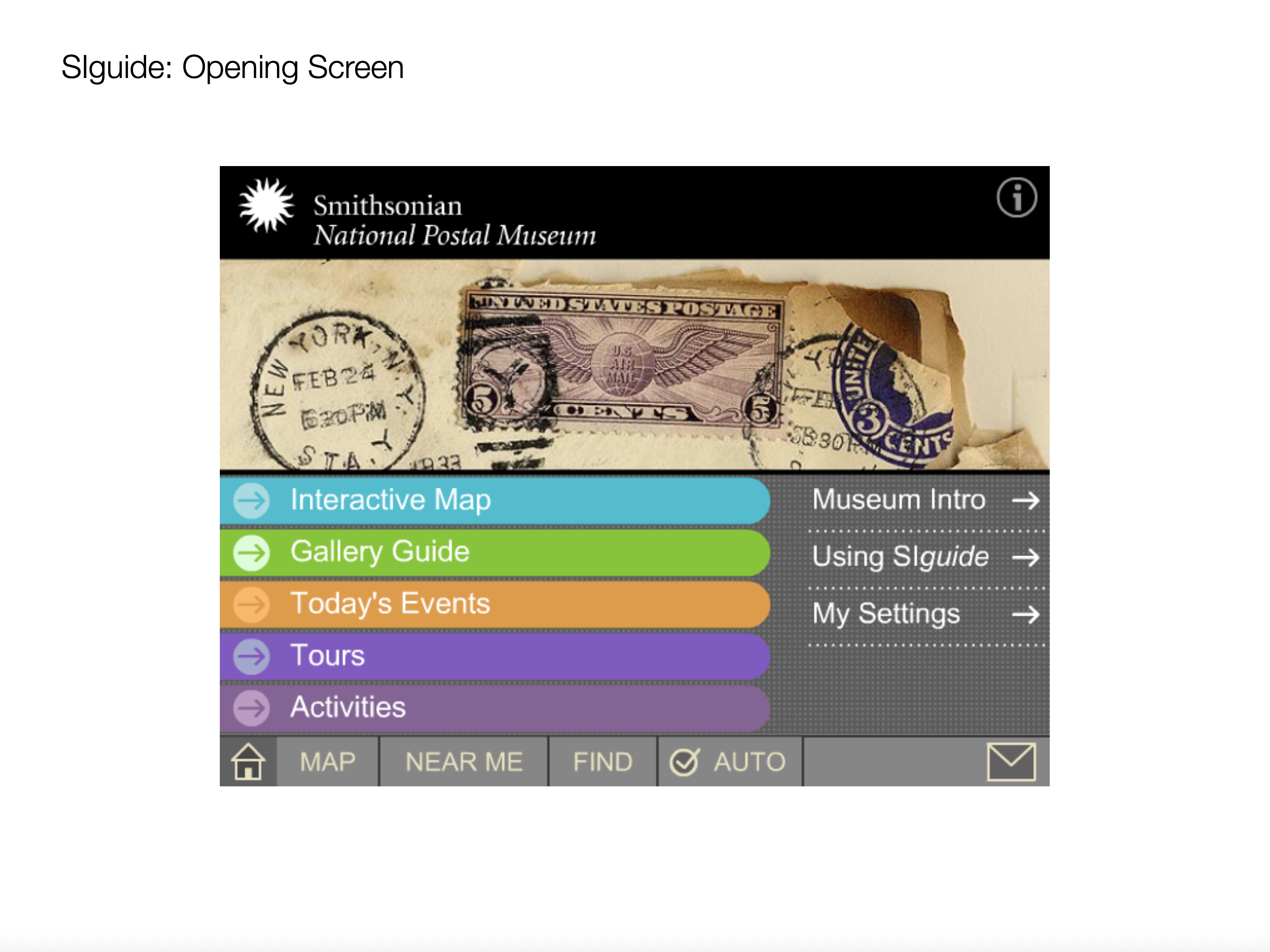
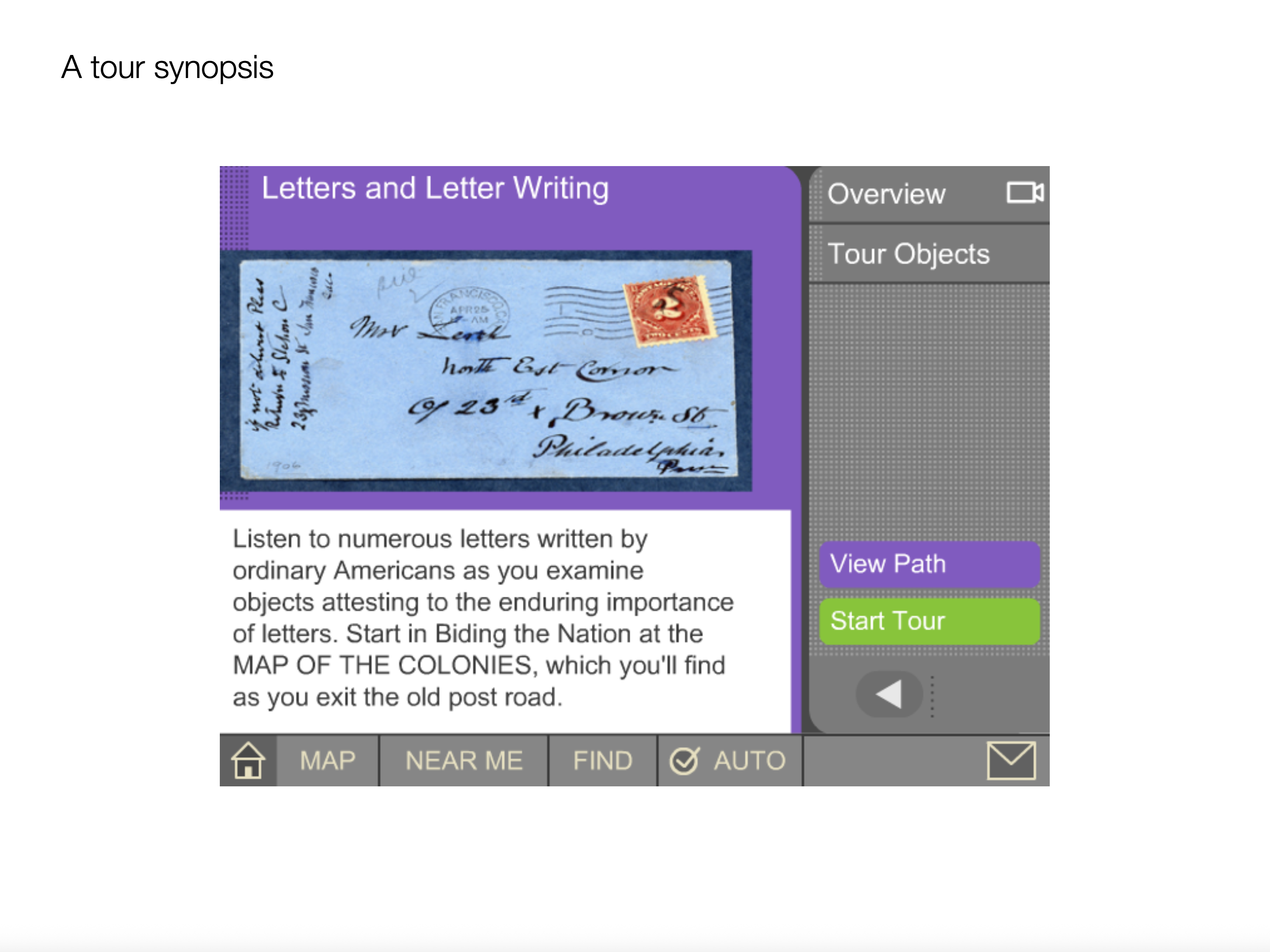
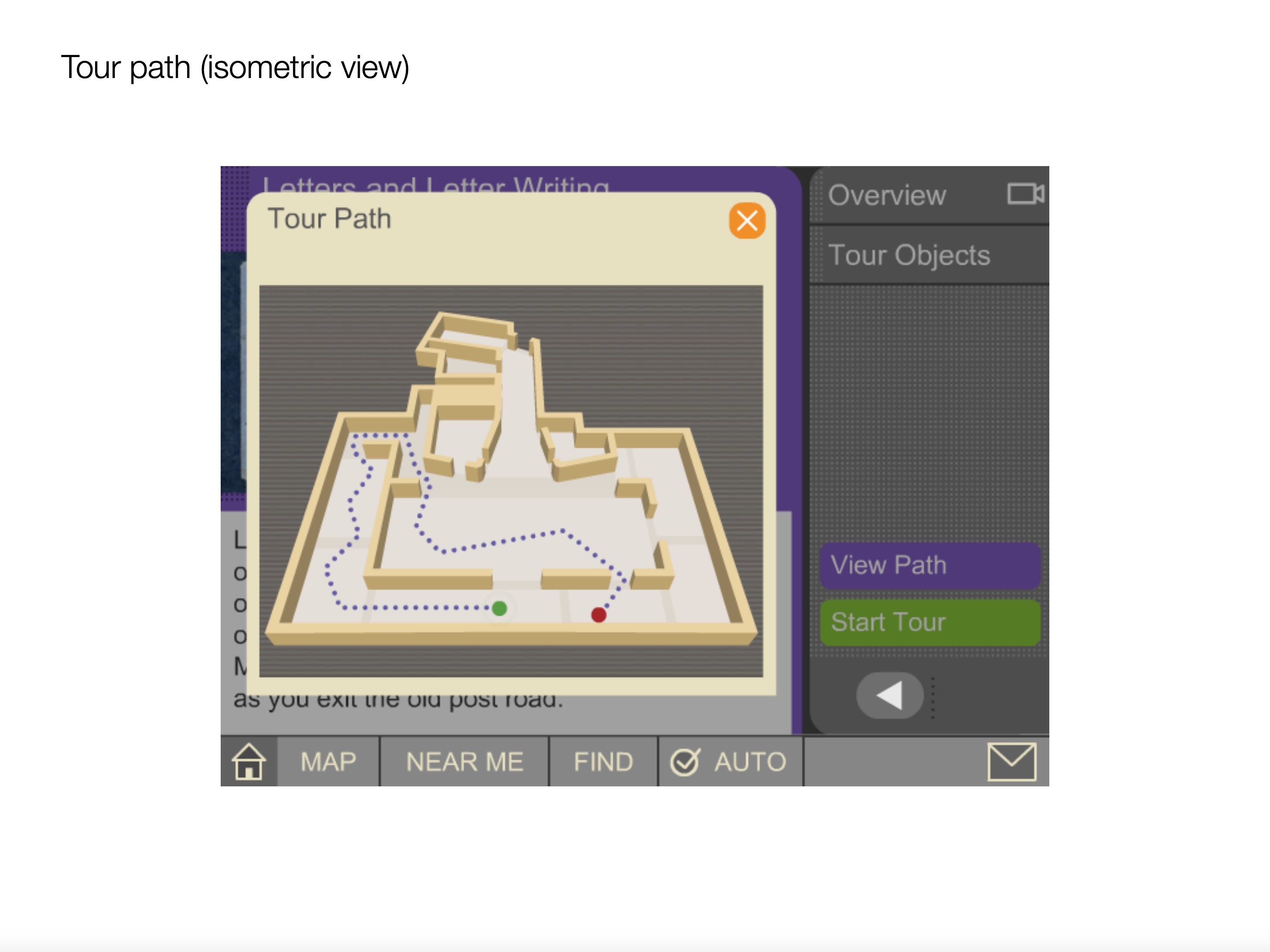
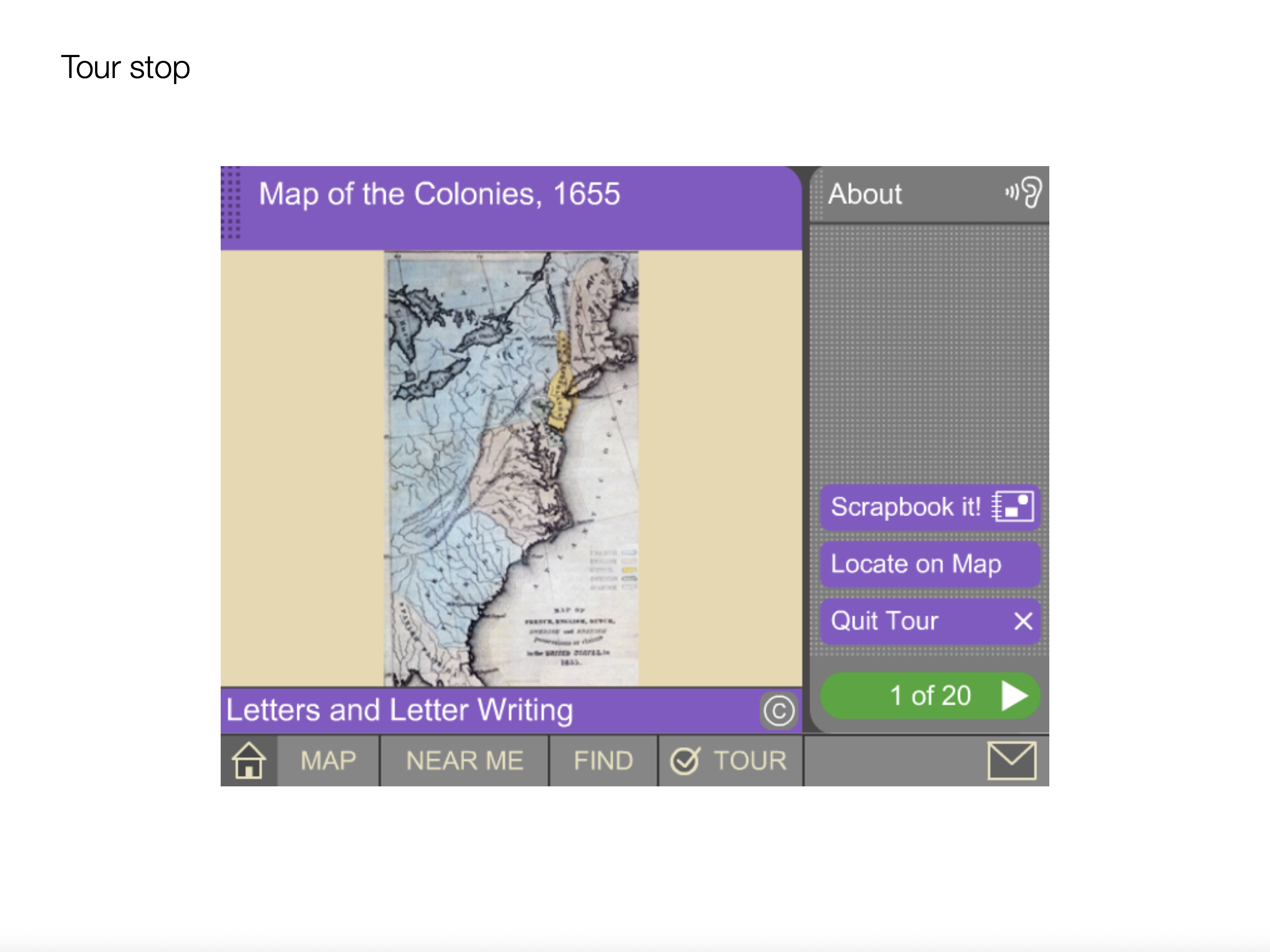
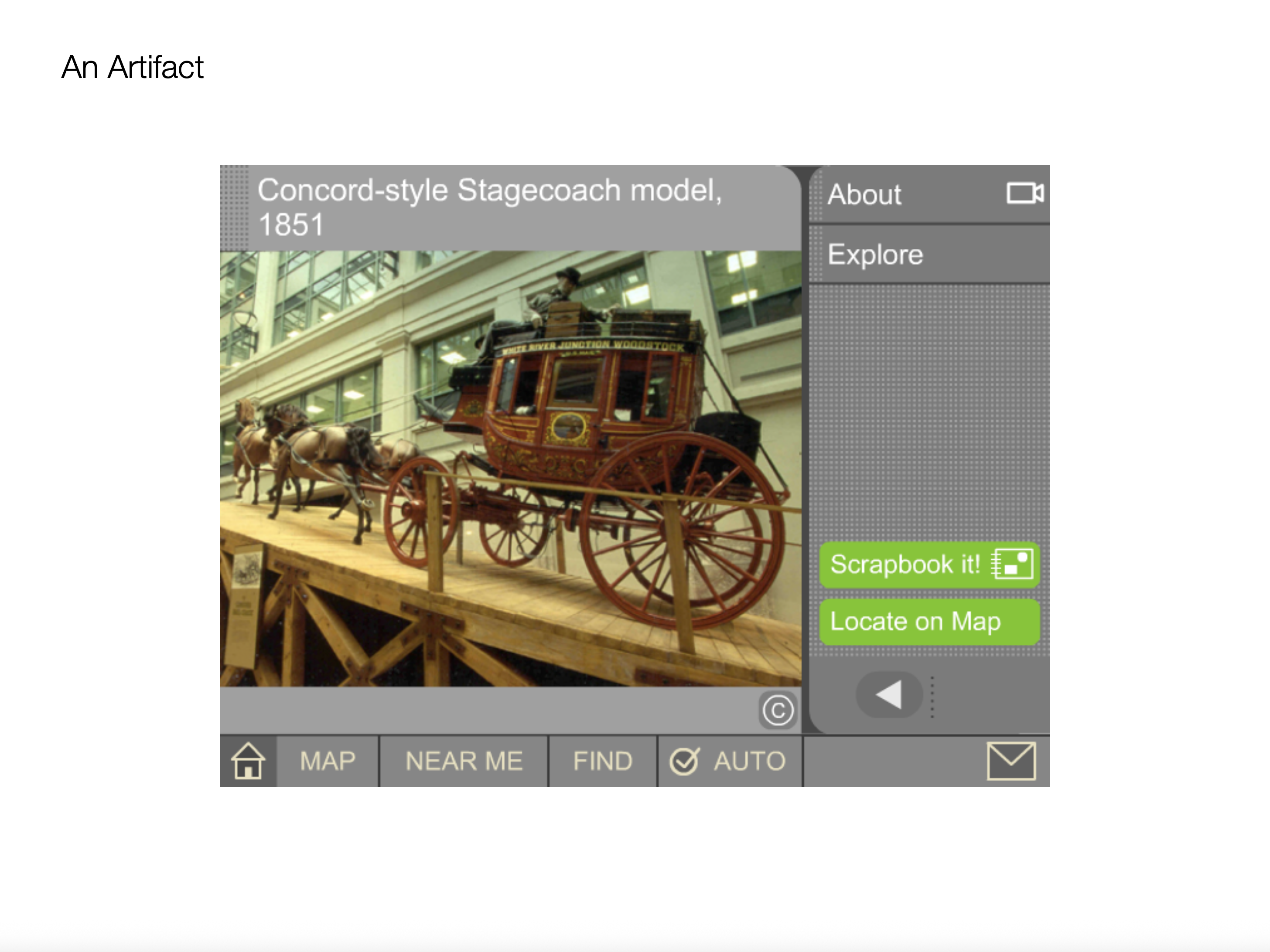
The interface centers on a clear home screen that exposes the main modes of the experience—interactive map, gallery guide, today’s events, tours, and activities—so visitors can quickly choose how they want to navigate the museum. Individual tours, such as “Letters and Letter Writing,” present a concise synopsis, a visual overview of key objects, and an isometric tour path that orients visitors in physical space. Each tour stop is anchored by a specific artifact (for example, historic maps or a Concord-style stagecoach), paired with contextual audio and “About” or “Explore” panels that let visitors dive deeper into the story of each object.
Across the system, SiGuide emphasizes a simple browsing model with forward/back navigation, a persistent home/map bar, and features like “Locate on Map” and “Scrapbook it!” that help visitors save and relocate favorite artifacts. The result is a cohesive, narrative-driven experience that turns the museum visit into an accessible, media-rich tour where visitors can either follow a structured path or wander and let the device recognize where they are and surface relevant content.
Images and video
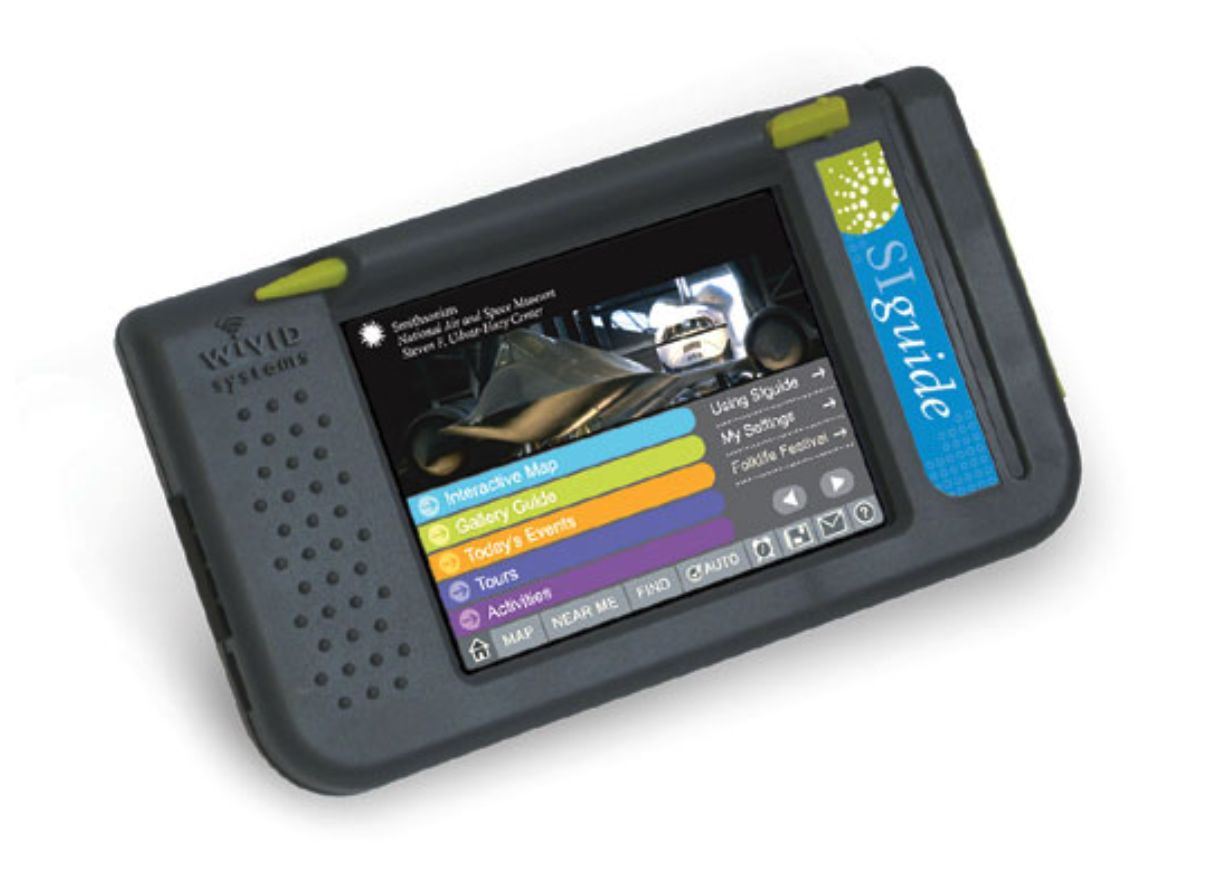
- The SiGuide experience was delivered on a custom handheld Windows CE device that visitors checked out from a dedicated kiosk at the entrance to participating Smithsonian museums. The ruggedized unit featured a landscape touch screen, integrated speakers, and physical controls sized for comfortable use while walking the galleries. It was deployed across multiple sites—including the Udvar-Hazy Air and Space Museum, the National Museum of Natural History, and the National Postal Museum—so the same core hardware and UI could support different collections and tour content.
- Smithsonian Guide Device (SiGuide) — image 2
- Smithsonian Guide Device (SiGuide) — image 3
- Smithsonian Guide Device (SiGuide) — image 4
- Smithsonian Guide Device (SiGuide) — image 5
- Smithsonian Guide Device (SiGuide) — image 6